Communication and Media
About This Program
There is a reason why Communication and Media is one of the top ten majors in the US: it's fun, it's interesting, it's challenging, and it prepares you for a variety of jobs and careers in the fastest growing industries.
Communication is essential to your success, your well-being, and your sense of community. It's how you stay informed, share stories, express yourself, and change the world. As a Communication and Media major at Utica University you will gain practical skills and exciting insights into what communication is and how it works.
Department
Why Utica University
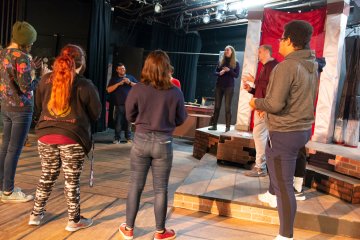
You can jump right in. Create a podcast. Host a show. Call a game. Work in a newsroom. Direct and perform for stage and screen. Produce and edit video. Be a leader on campus and in the community. Understand yourself, your relationships, and how you influence society.
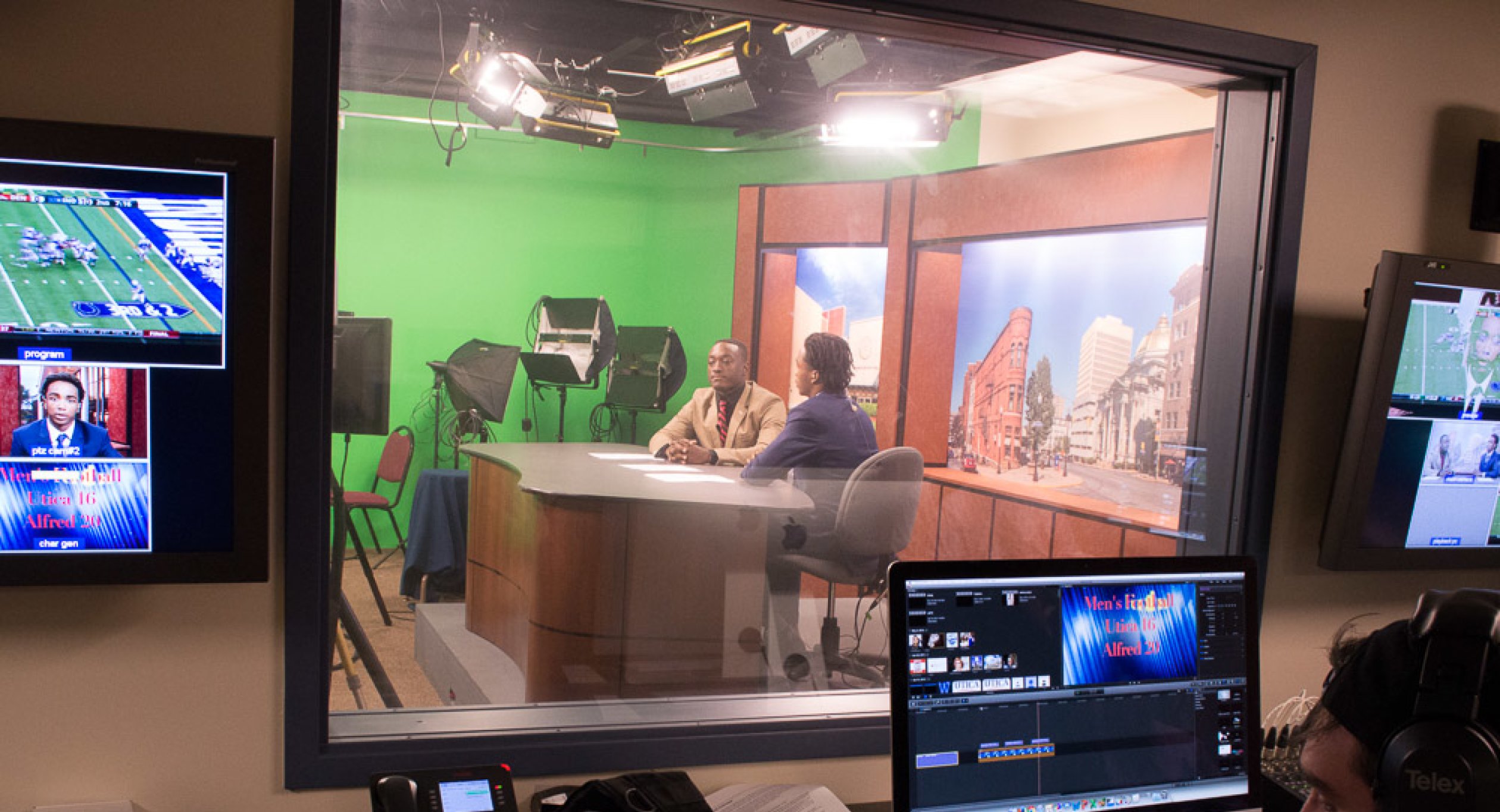
As a Communication and Media major, you have daily opportunities to create compelling content at WPNR-FM and the Raymond Simon Convergence Media Center. You will collaborate with talented peers and accomplished faculty. You can intern with businesses, media outlets, and non-profit organizations. Our graduates are ready to pursue fulfilling careers or graduate study.
Internships
Just a few of the places where some of our recent students have had internships, gaining the hands-on experience needed to hit the ground running in their career path:
- WUTR Channel 20
- WKTV NEWSChannel 2
- WIBX 950 AM
- Watkins Glen International Raceway
- Mohawk Valley Latino Association
- Mohawk Valley Resource Center for Refugees
- Rochester Red Wings Baseball Team
- New York Police Department
- Syracuse City Ballet
- United Way of the Mohawk Valley
- Congressional Representative Anthony Brindisi
- Utica Comets Hockey Team
- Sitrin Health Care Center
For a list of more than two-dozen places where our students have recently held internships, click the box below:
Recently held Communication & Media Internships
Choose a Concentration
As a Communication and Media major, you will take several foundational communication courses and select one of the concentrations below. Each concentration contains a series of specialized courses designed to further your knowledge and give you a competitive edge.
The Communication Arts concentration focuses on developing a broad array of knowledge and skills applicable to many careers, with particular emphasis on oral, interpersonal, organizational, intercultural communication and media studies. Students engage in a critical assessment of the values underlying communication practices, technologies, institutions, and their social and ethical consequences. Advisors work with students to develop a course of study based on a student’s interests and desired career path.
Link your passion for social justice with a communication-based foundation and a variety of disciplinary perspectives to develop the knowledge and skills you need to understand and combat the social, cultural, and institutional causes of inequality, injustice and oppression. The concentration provides excellent preparation for students wishing to become human rights, civil rights, or environmental advocates, community organizers, social workers, alternative media workers, or lobbyists, as well as those considering graduate study in the social sciences, social work, or law.
Brainstorm, experiment, fail, try again and discover new ways to deal with challenges. Creativity is the ability to come up with a variety of innovative solutions to a problem, and it is a skill that anyone can develop and apply to any field. Students who select a concentration in Creativity Studies will combine the skills from their core communication classes with a variety of arts and learn to apply all of these in any future career path. This is particularly beneficial for students who choose careers where they will be asked to develop creative ways to get across a message using multiple media or any field where innovation is critical.
The journalism concentration provides the core courses necessary for today’s digital, broadcast and print journalist. Students will learn the storytelling, reporting and media production skills essential for careers in journalism and study the issues shaping the field. The concentration emphasizes hands-on experience through interactive classes, working with student media organizations and internships with professional media organizations.
The public relations concentration prepares students to manage relationships between an organization and its key publics by becoming skilled in communicating across multiple media platforms, research, problem solving, strategic decision making, conflict resolution, speaking and campaign/event planning. Public relations practitioners are highly sought after in a wide range of industries, including business, government, education, sports, health care, and human services.
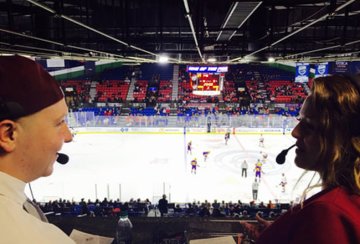
The sports communication and public relations concentration is designed for the person who wants to promote sports and emphasizes applying public relations skills in a sports setting. Students study the complex relationship between sports and the media, how the business of sports works, and how sports reporters craft their stories. Students also gain experience through internships at professional sports organizations and sports media outlets.
The sports journalism concentration focuses on how to cover sports for television, websites and other digital media, magazines, and newspapers. Students learn to write and produce sports stories, study the complex relationship between sports and the media, and learn how the business of sports works. Students also gain hands-on experience through professional media internships and student media outlets.
The purpose of the theatre concentration at Utica University is to create a culture of theatre-makers who are adept at collaboration, grounded in social justice, and interdisciplinary thinkers. We in the Department of Performing & Fine Arts believe that the art of theatrical storytelling is a continuous exercise in empathy, enabling theatre artists and audiences to imagine themselves into the places of others, gain emotionally engaged knowledge about their situations, and use that empathetic perspective to build community across differences. To that end, we train students in a variety of theatrical roles, contexts, and styles from around the world. Paired with our grounding in social justice and theatre for community building, this emphasis on variety prepares our students to be effective collaborators across disciplines, subcultures, and professions well beyond their time at Utica University.
Communication and Media at Utica
"In my classes, I’ve learned how to give a speech, write and speak effectively, and connect with my audience. But more important, I’ve developed confidence and leadership skills that will benefit me in my career and my everyday life."
Career Opportunities
Experience It
Insight
What You'll Learn
The Communication and Media curriculum helps students develop a deep understanding of historical, legal, cultural, and critical aspects of communication. Graduates will have the ability to write and speak logically, clearly, and precisely on a professional level, as well as to contextualize and criticize aspects of contemporary culture. In keeping with digital media trends, students will learn how to utilize multimedia technology to produce and share compelling information.
As part of the Communication and Media major, students work closely with an adviser to select a concentration in one of these areas:
- Communication Arts
- Communication and Social Justice
- Creativity Studies
- Health Communication
- Journalism
- Public Relations
- Sports Journalism
- Sports Communication
- Theatre
Depending on the chosen concentration, a student may earn a Bachelor of Arts or Bachelor of Science degree. Students are encouraged to explore areas outside their concentration through major electives.

Communication and Media Faculty

- Director of Tangerine Ops.

- Chief Oper & Advis Station Mgr

- Associate Professor of Communication Arts

- Dir-Convergence Media Ctr.
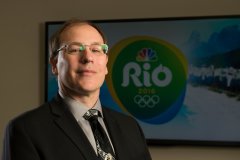
- Distinguished Professor of Public Relations and Journalism

- Professor of Communication
Adjunct Faculty

- Adjunct Professor of Public Relations
- Director of Tangerine Ops.

- Adjunct Lecturer of Journalism
A Degree That Works
For graduates of the Communication and Media program, career opportunities are almost limitless. Students are prepared success in a diverse range of professions, including journalism (print and broadcast), marketing, publishing, government, business, human services, and more.
What some of our recent graduates are doing:
- Marketing Communications Specialist - Corning, Inc.
- Journalist - Observer-Dispatch
- Social Media Coordinator - C+A Global
- Sports Information Director - Troy State University
- Digital Media Coordinator - Premiere Digital Services
- News Producer - WKTV NEWSChannel 2
- Marketing Coordinator - M.A. Polce IT and Cybersecutiry
- Junior Account Executive - R. Couri Hay Creative PR
- Sports Editor - The Evening Sun
- Off-Ice Official - American Hockey League
- Staff Writer - Daily Sentinel
- Creative Marketing Specialist - Chrysalis Design
Walking Into Your Career
Utica University graduates of the Communication and Media program are prepared for success in limitless career opportunities. For a list of more than two-dozen jobs held by recent graduates, click below.
Jobs of Recent Graduates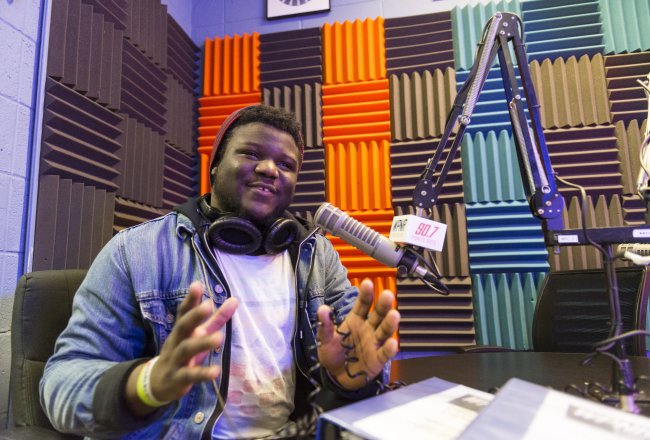
Pioneer Radio
For those seeking first-hand experience in the world of broadcasting, WPNR-FM hires matriculated students into both premier and behind-the-scenes positions. Students are hired into one of five departments (music, production, promotions, public service, and sports broadcasting). Each department plays an integral role in the overall operation of the radio station.
Visit Pioneer Radio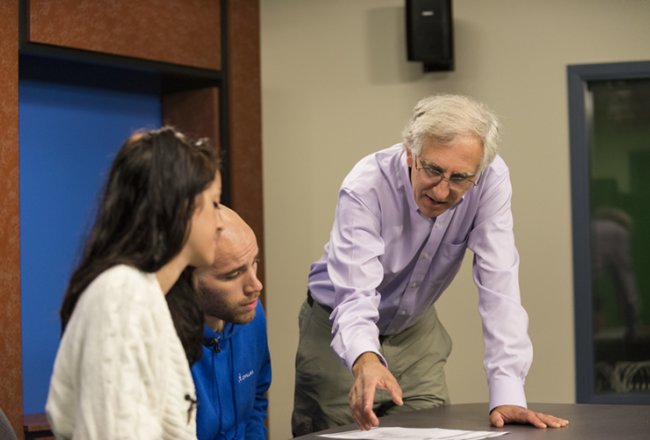
Utica TV
Students receive training in how to operate digital production equipment and how to produce public service announcements and interview shows for the campus.
More on Utica-TV
The Tangerine
Utica University's weekly independent student-run campus newspaper is a great place to improve your writing, editing, and photography skills, as well as put into practice the web design principles you learn in your classes.
Learn more about The Tangerine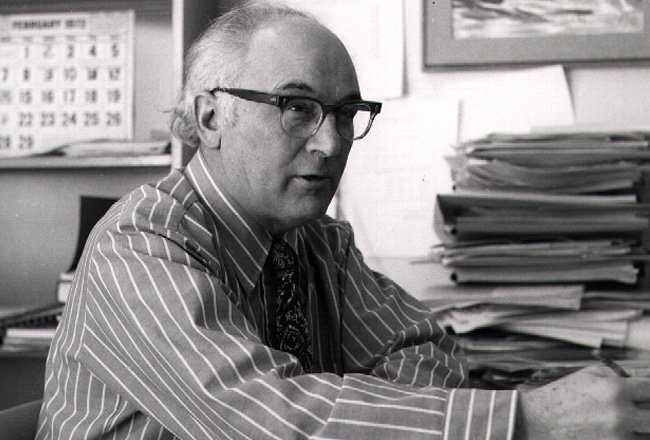
The Ray Simon Institute
Named for the former head of the Utica University public relations degree program, The Raymond Simon Institute for Public Relations was founded in 1986 with the purpose of enhancing Utica's public relations and journalism programs.
Learn More about The Ray Simon Institute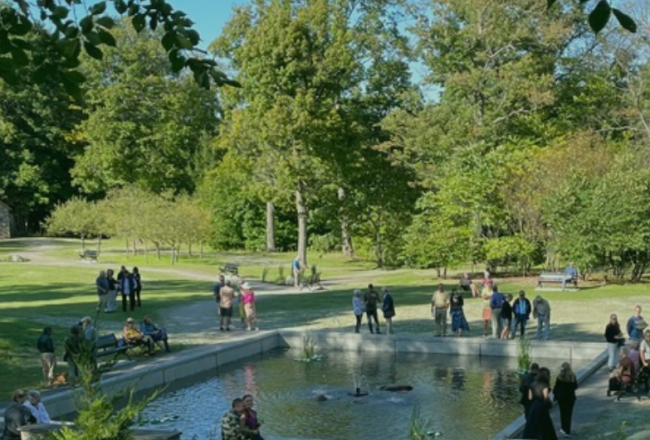
Utica Parks and You
In the Utica Parks and You project, students in JLM 461 Multimedia Web Design examined how Utica city parks and parkway systems impact the community's identity and wellness.
Learn More
Journalistic Accolades from Syracuse Press Club
Communication and Media major and Tangerine Editor-in-Chief, Mickale Thompson '24, received First Place in the Best Sports Print/Digital Story category from the Syracuse Press Club as well as an Honorable Mention in the Best News Print/Digital Story category.
READ MORE
Alumni Voices: Tim Roye '81
Graduate of Utica University's Public Relations - Journalism program Tim Roye '81 tells the story of his journey from WPNR sports announcer to the voice of the Golden State Warriors.

Award-Winning Radio
WPNR 90.7 Pioneer Radio, the official student-run radio at Utica University, received an excellence award from the New York State Broadcasters Association three years in a row. The most recent award received was for Outstanding Public Service Announcement (PSA) and was produced by Mark Mason Jr. ’24, a communications and media major who held the title of production manager for the radio station.
READ MORE
Student Voices: Lia Tobin '16
A brief conversation with Lia Tobin '16 about her experience studying broadcast journalism at Utica University and her time as an editor of Utica's student newspaper, the Tangerine.
Alumni Voices: Stephanie Zimmer '96
A conversation with distinguished Utica University alumna Stephanie Zimmer '96, Head of Brand Experience Marketing for Mercedes Benz USA.

FILM@UC
Utica University's campus film series is free and open to the public. Screenings take place Thursday nights at 7 p.m. in Macfarlane Auditorium at DePerno Hall.
Film@UC Schedule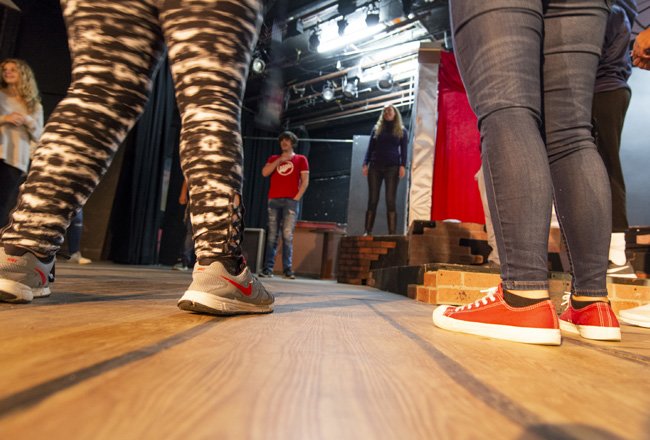
Department of Performing and Fine Arts at Utica
Art and performance continuously thrive at Utica University. Exposure to the creative arts is an essential facet of liberal education, and involvement in the arts promotes personal growth, the development of valuable skills, and the realization of a richer, more fulfilling life. At Utica University, students have a variety of opportunities to engage with the creative arts both as a participant and as an informed observer.
Learn More about the Arts at Utica
Student Voices: Maggie Tabone '18
Maggie Tabone, a Communication Arts student, discusses her program, her experiences on campus, and how she sees Utica University as one big family.
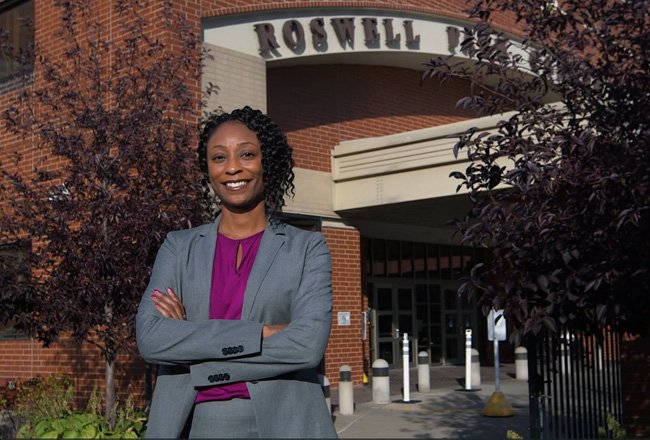
Alumni Voices: Ericka Bennett '00
Ericka Bennett '00 talks about her experience at Utica University and her position as Associate General Counsel at Roswell Park Comprehensive Cancer Institute in Buffalo, NY.
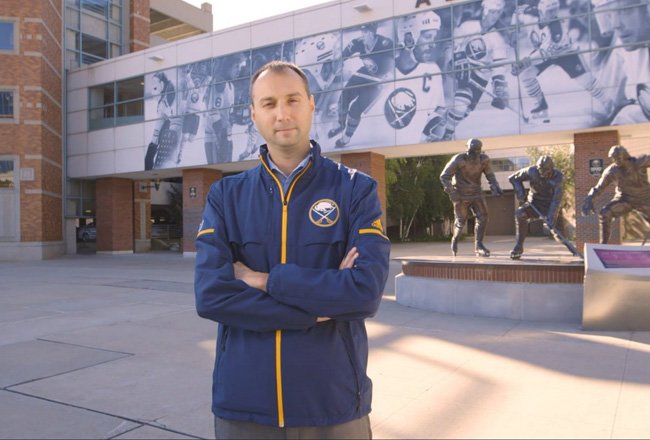
Alumni Voices Chris Bandura '99
Hear how Chris Bandura's experience at Utica University prepared him for an exciting career as Vice President of Media Relations and Communications for the Buffalo Sabres.
Student Voices: Matthew Rogers '16
A brief conversation with Matthew Rogers '16, journalism major and 2016 Salutatorian, about his passion for reporting, his love for sports, and more.
Student Voices: Jon Kealy '15
A brief conversation with Jon Kealy '15, graduate of the Journalism Studies program with a concentration in Sports Journalism.
Public Relations Student Society of America (PRSSA)
Utica University established one of the first national chapters of PRSSA in 1968, and the organization continues to be active on campus today. Its members attend national and regional conferences, including past conferences in San Diego, Detroit, New Orleans and Philadelphia. The chapter sponsors professional speakers, local tours of public relations agencies, and events.
Society for Collegiate Journalists
This student organization focuses on journalism and media issues. It sponsors speakers and other activities. Students also attend the national SCJ convention. For more information, contact Professor David Chanatry at dchanatry@utica.edu.
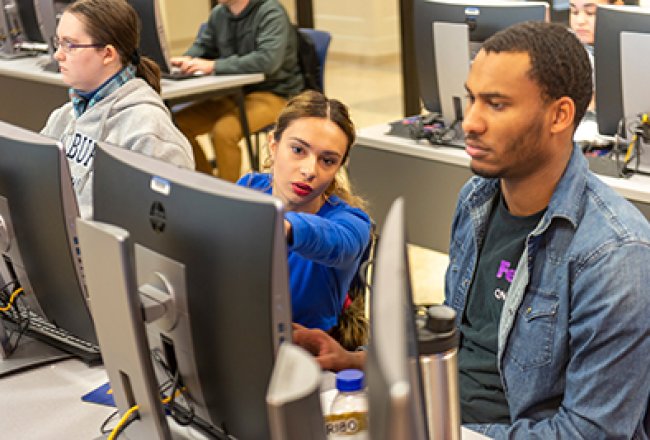
Tau Mu Epsilon
Public relations majors have the opportunity to be a part of the oldest honorary academic public relations fraternity in the United States, called Tau Mu Epsilon. Each year a select group of students who meet academic as well as leadership and character requirements are inducted during a special candlelight ceremony.

Utica Watchdog Reporting
Presenting student projects produced for Utica University's Watchdog Reporting journalism course. The topics focus on social issues relevant to Utica, Oneida County and Central New York.
Watchdog Reporting Course DescriptionCommunication and Media at Utica University

Campus Catch-Up Episode #2 - Godspell, Give Day, and Governing

Women’s Sports Receive More Primetime Broadcast Olympic Coverage Than Men’s Sports For The Sixth Olympiad In A Row, Seventh Overall
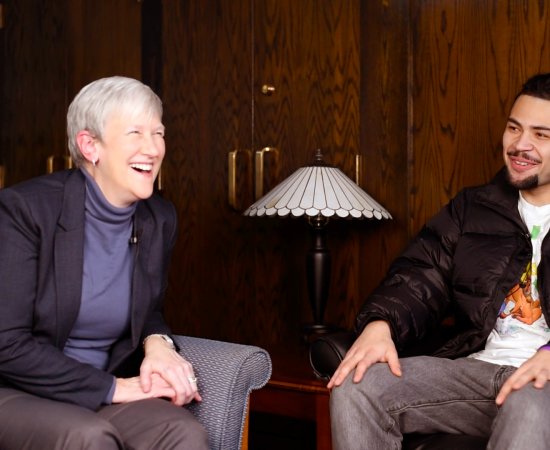
Introducing Campus Catch-Up
Related Programs