
Education
About This Program
You know how life-changing knowledge can be. You thrive when you’re sharing information and ideas with others. You want a career that gives you the power to influence the future. Education may be the program for you.
Department
Why Utica University
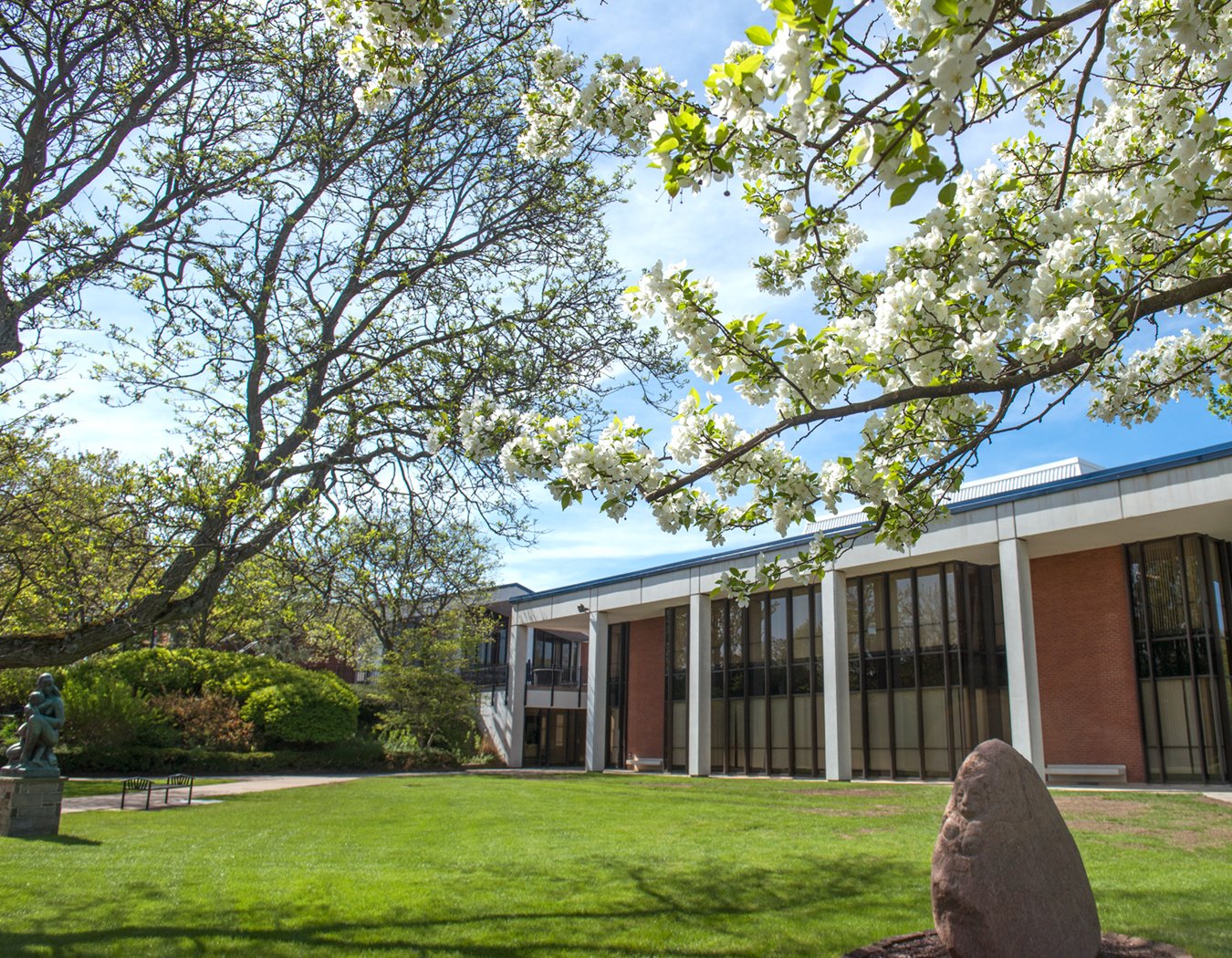
The undergraduate education program at Utica University enables students to develop critical, high-level teaching skills in preparation for attaining New York State Certification and embarking on a fulfilling career as an educator in any of a number of different disciplinary areas. Supported by an exceptional faculty of seasoned professional teachers and administrators, Utica's education programs are offered as 120-credit majors with a concentration within the desired subject area the student wishes to teach.

Utica University’s Educator Preparation Program has earned national accreditation from The Association for Advancing Quality in Educator Preparation (AAQEP) for all undergraduate and graduate programs. This honor comes with a full seven-year accreditation following extensive review by the AAQEP Commission.
Education at Utica
Career Opportunities
Real-World Experience
Choices

Opportunity
What You'll Learn
Utica University's education programs feature a strong focus on methodology and practical application, with opportunities for student-teaching and other real-world experiences including annual on-campus events.
Program options include:
- Early Childhood / Childhood Education: Psychology Child Life
- Early Childhood (Birth-Grade 2) Education
- Childhood (Grades 1-6) Education
- Grades 7 - 9 Extension to Childhood Education
- Middle Childhood (Grades 5-9) Education
- Adolescence Education (Grades 7 - 12)
- Grade 5-6 Extension to Adolescence Education
- Teaching English to Speakers of Other Languages Education (Birth - Grade 12)
Opportunities for dual certification in:

Education Faculty
- Associate Professor of Education
- Professor of Special Education
- Assistant Professor of Education
- Associate Professor of Childhood Education
- Professor of Education
- Coor. EDU Part/Clinical Prac.
- Adjunct Professor of Education
A Degree That Works
The education program prepares you for a range of fulfilling career options as an educator, as well as graduate study in education. Utica University also offers graduate programs and two education minors that reduce the number of credits to be completed at the graduate level. Utica education program alumni have distinguished themselves as educators and administrators in school districts throughout New York State and across the country.
100% Employer Satisfaction
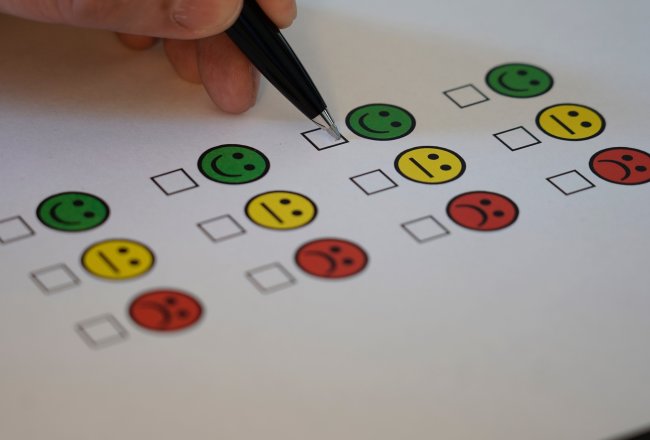
Per a 2023 survey, 100% of employers said they definitely would hire another Utica University candidate.
Student Voices: Nicole Quinn
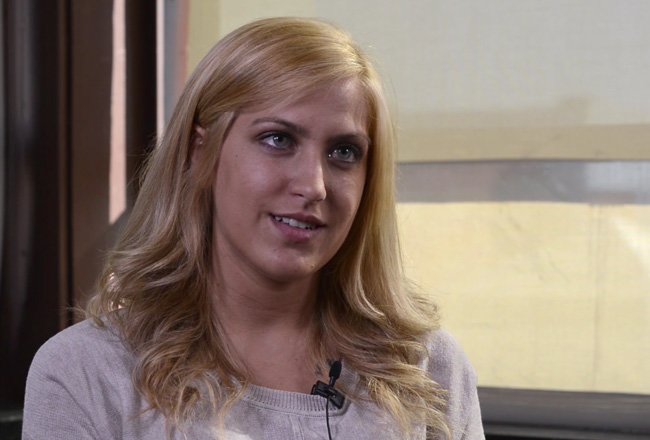
A brief conversation with liberal studies major Nicole Quinn about her studies, her experience in the education program, and her plans to earn a master's degree and start her career as a special education teacher.
Student Voices: Azure Garrett
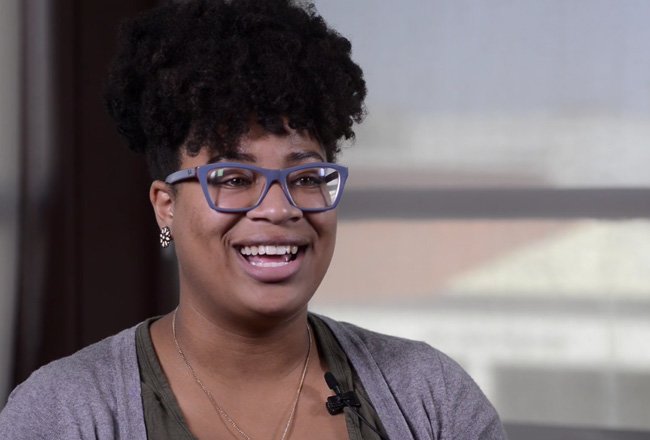
A brief conversation with Azure Garrett, a liberal studies major in Utica's undergraduate education program, about her experience at Utica, her interest in theatre, and her passion for making a difference.
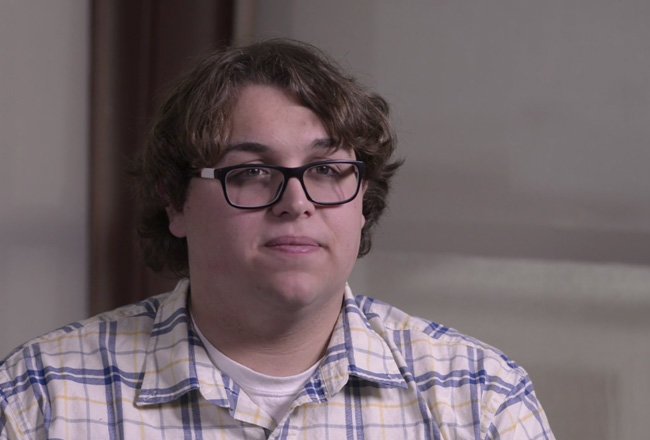
Student Voices: Noah Howard
A brief conversation with history major Noah Howard about his professors, his research internship, and his plans for the future.
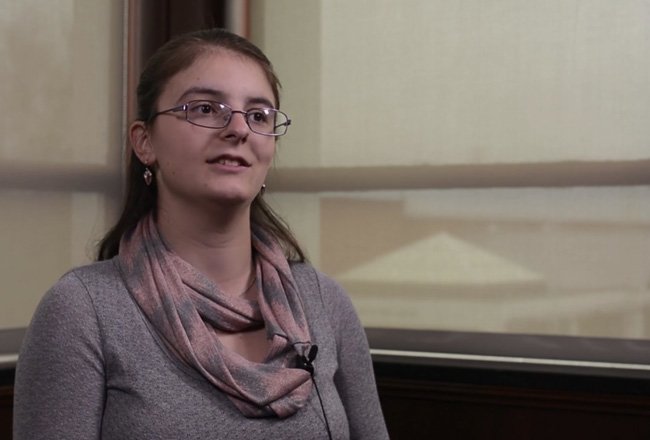
Student Voices: Brittany Westcott
Foreign language major Brittany Wescott talks about her experience at Utica University studying French, meeting international students, traveling abroad, and more.
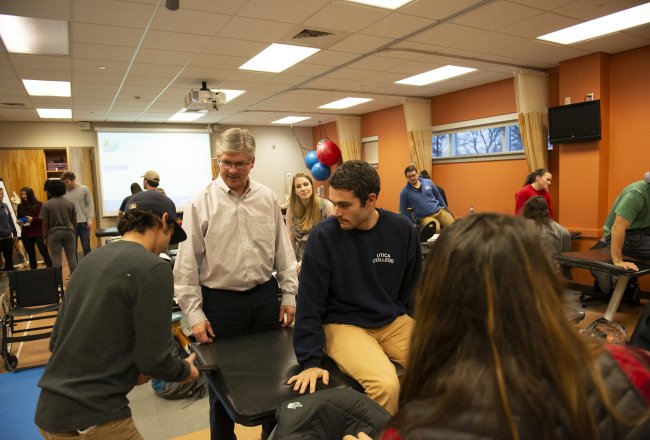
Dive Deeper
The Interprofessional Education (IPE) program at Utica University helps you develop a deeper understanding of a broad range of roles in the health professions so that you can effectively team up with practitioners in other disciplines to deliver outstanding patient care.
Learn MoreEducation at Utica University
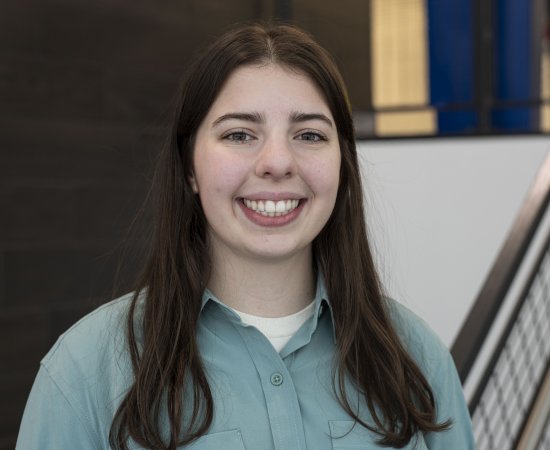
Keep Looking Up: Sydney Kinsella ’26

Full-Tuition Scholarships Available to Career-Changers Wishing to Transition into K-12 Teaching Careers
Utica University and Utica City Schools Pilot New Hands-On Teacher Residency Program
Related Programs