Education
About This Program
With an award-winning curriculum that offers study options in a variety of distinctly high-demand areas of teaching, Utica's graduate programs in education provide comprehensive preparation for a broad range of career-track opportunities.
*PLEASE NOTE: The MS Ed Leadership and Instruction for Inclusive Classrooms (30 credits) is now 100% online. Classroom teachers that hold initial certification will be eligible for a professional certification recommendation upon completion of the program.
**Per New York State legislation, the graduate education department no longer requires the MAT or GRE exam for admissions.
Department
Why Utica University
Program Options
Graduate education at Utica University offers a broad selection of program options, including:
On-Campus Programs:
- Childhood education (M.S.)
- Childhood and special education (M.S.)
- Adolescence education (M.S.)
- Health and Physical Education (M.S.)
Please note: You must be a Utica University undergraduate student to enter the Health and Physical Education M.S. program.
100% Online Programs:
- Special Education P-12 (M.S Ed.)
- Special Education Apprenticeship (M.S.)
- Students with Disabilities P-12 (M.S.)
- Leadership and instruction for inclusive classrooms (M.S.Ed.)
- Alternative Certification (Trans B) Apprenticeship (M.S.)
Get Your Transcripts Evaluated
If you are interested in becoming a certified teacher through one of our graduate programs or hold initial certification and wish to earn professional certification through one of our MSED programs, please email unofficial transcripts and which certification you would like to pursue to graduate admissions to Rayna Seabury at reorsino@utica.edu for an evaluation.
Related Programs:
Utica University’s Educator Preparation Program has earned national accreditation from The Association for Advancing Quality in Educator Preparation (AAQEP) for all undergraduate and graduate programs. This honor comes with a full seven-year accreditation following extensive review by the AAQEP Commission.
Contact Information
Rayna Seabury
General Information
Request Information
We're excited you're interested in learning more about Utica University. Please fill out and submit the form, and we'll be in touch shortly!
Education at Utica
"Education is what survives when what has been learned has been forgotten."
Career Opportunities

Award-Winning Programs

100% Employer Satisfaction
What You'll Learn
Students who complete the graduate program will have a strong knowledge of the subject matter, demonstrate pedagogical content knowledge and the ability to use this knowledge to design effective lessons, acquire teaching skills that promote student learning, and teach caringly and effectively. Above all, they are professionals.

Education Faculty
- Professor of Education

- Associate Professor of Education
- Professor of Special Education

- Assistant Professor of Education
- Associate Professor of Childhood Education
- Adjunct Professor of Education
- Coor. EDU Part/Clinical Prac.
A Degree That Works
Graduates of the various Utica University Master's in Education paths are well-equipped for a variety of careers, including, but not limited to, employment in:
- Public Schools
- Private Schools
- Tutoring Centers
- Refugee Centers
- Educational Leadership and Administration
- Health and Human Services

100% Employer Satisfaction
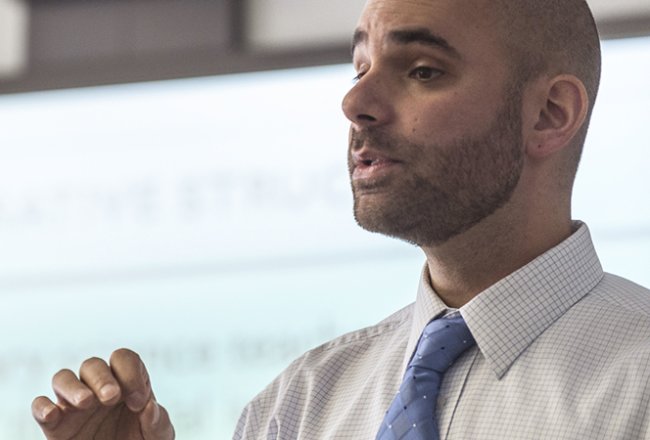
Per a 2023 survey, 100% of employers said they definitely would hire another Utica University candidate.
Easing the Teacher Shortage
In response to an unprecedented teacher shortage in New York State, Utica University has created an accelerated Teacher Certification Program that allows aspiring teachers to secure full-time employment in local schools via an alternative pathway to certification.
READ MORE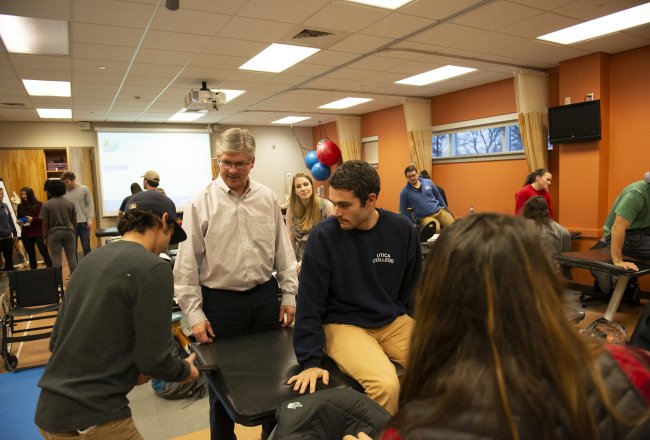
Dive Deeper
The Interprofessional Education (IPE) program at Utica University helps you develop a deeper understanding of a broad range of roles in the health professions so that you can effectively team up with practitioners in other disciplines to deliver outstanding patient care.
Learn MoreEducation at Utica University

Keep Looking Up: Sydney Kinsella ’26

Full-Tuition Scholarships Available to Career-Changers Wishing to Transition into K-12 Teaching Careers
Utica University and Utica City Schools Pilot New Hands-On Teacher Residency Program
Related Programs