Chemistry
About This Program
You’re interested in a career path that includes everything from nuclear chemistry to drug design to astronomy. You want to understand the world at the molecular level and gain skills that apply to all scientific fields. You’re analytical by nature and enjoy solving complex problems. Chemistry might be the major for you.
Why Utica University
The chemistry major at Utica gives students a solid theoretical and practical foundation in the study of matter on both the macroscopic and atomic levels. Supported by exceptional faculty and advanced instrumentation, chemistry students study composition, structure, properties, and reactions of matter with emphasis on atomic and molecular systems. The chemistry department at Utica University is certified by the American Chemical Society (ACS), and the major is designed to meet the needs of students whose principal interest is in chemistry, biochemistry, or medicine.
Related Programs
Chemistry at Utica
“At bigger schools, undergrads are lucky to wash dishes in a research lab. At Utica, I got to own my own project as a sophomore. I couldn’t have asked for a better experience.”
Median salary for chemists and materials scientists:
Projected job growth by 2034:
Career Opportunities
Approved by the American Chemical Society
Cutting Edge
What You'll Learn
The chemistry major offers four concentration options:
• General
• Biochemistry
• Environmental
• Professional
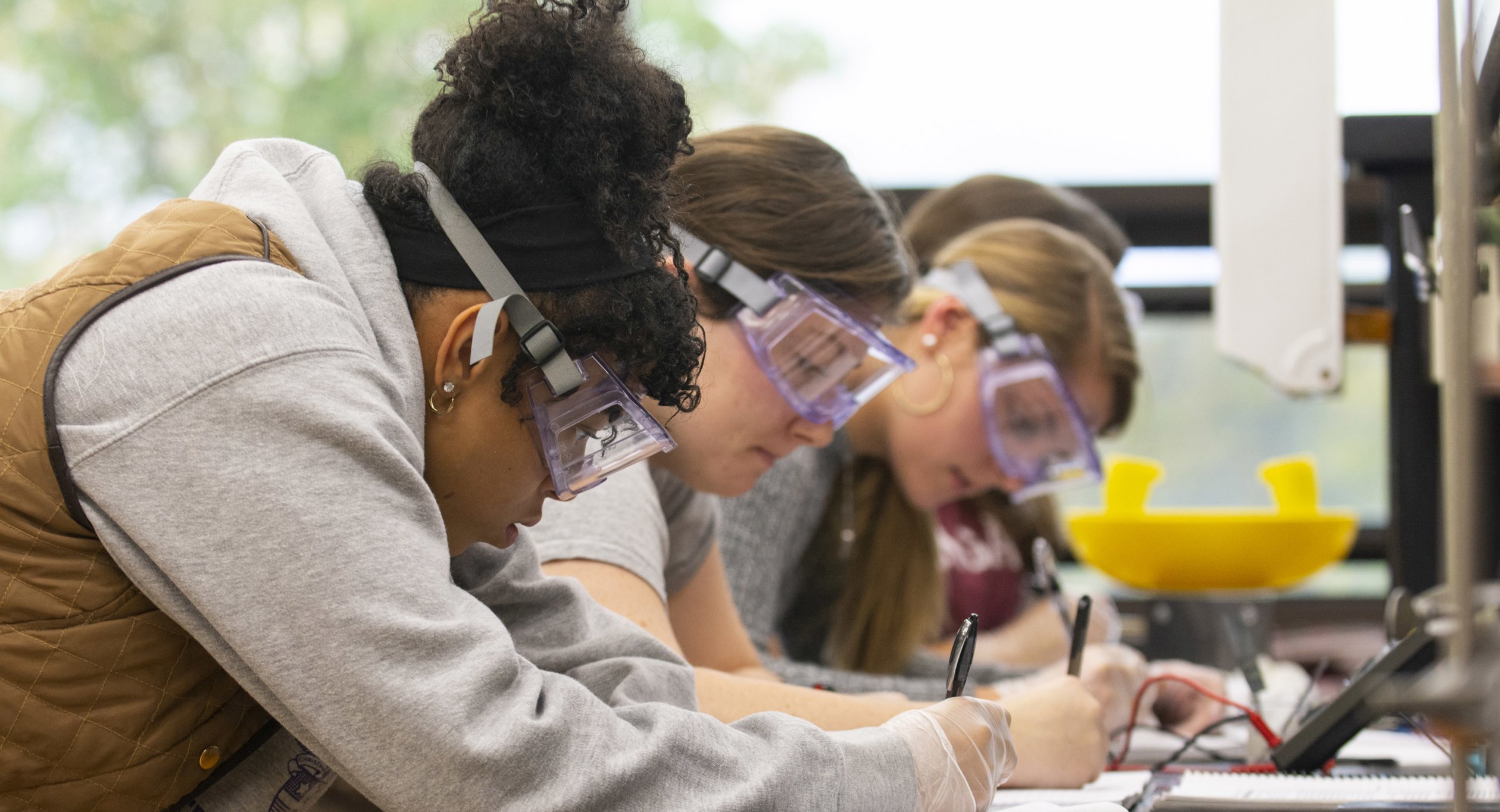
Chemistry majors have rich opportunities to perform and present original research of their own, to engage in a culture and tradition of inquiry that is simultaneously rigorous and rewarding, and to take part in a variety of collaborations with the faculty.
Chemistry Faculty

- Professor of Chemistry

- Assistant Professor of Chemistry

- Assistant Professor of Chemistry
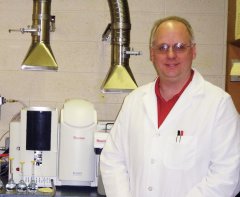
- Distinguished Professor of Chemistry
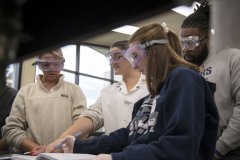
- Associate Professor of Chemistry

- Assistant Professor of Biochemistry
Chemistry at Utica University


A Degree That Works
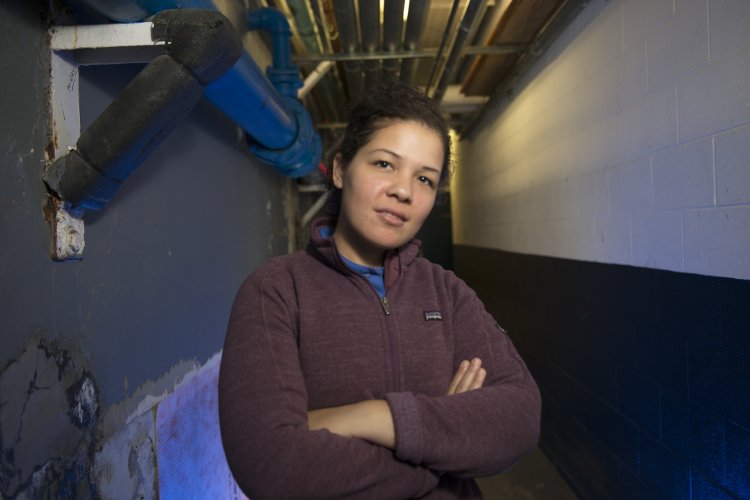
Utica's chemistry major prepares you for career opportunities in environmental management and technology, industrial research and production, teaching, as well as graduate study. Graduates of the chemistry program have taken leadership positions at:
- Pratt & Whitney
- Unisys Corporation
- GlaxoSmithKline
- Henkel
- Reheis, Inc.

Inside Utica's Chemistry Labs
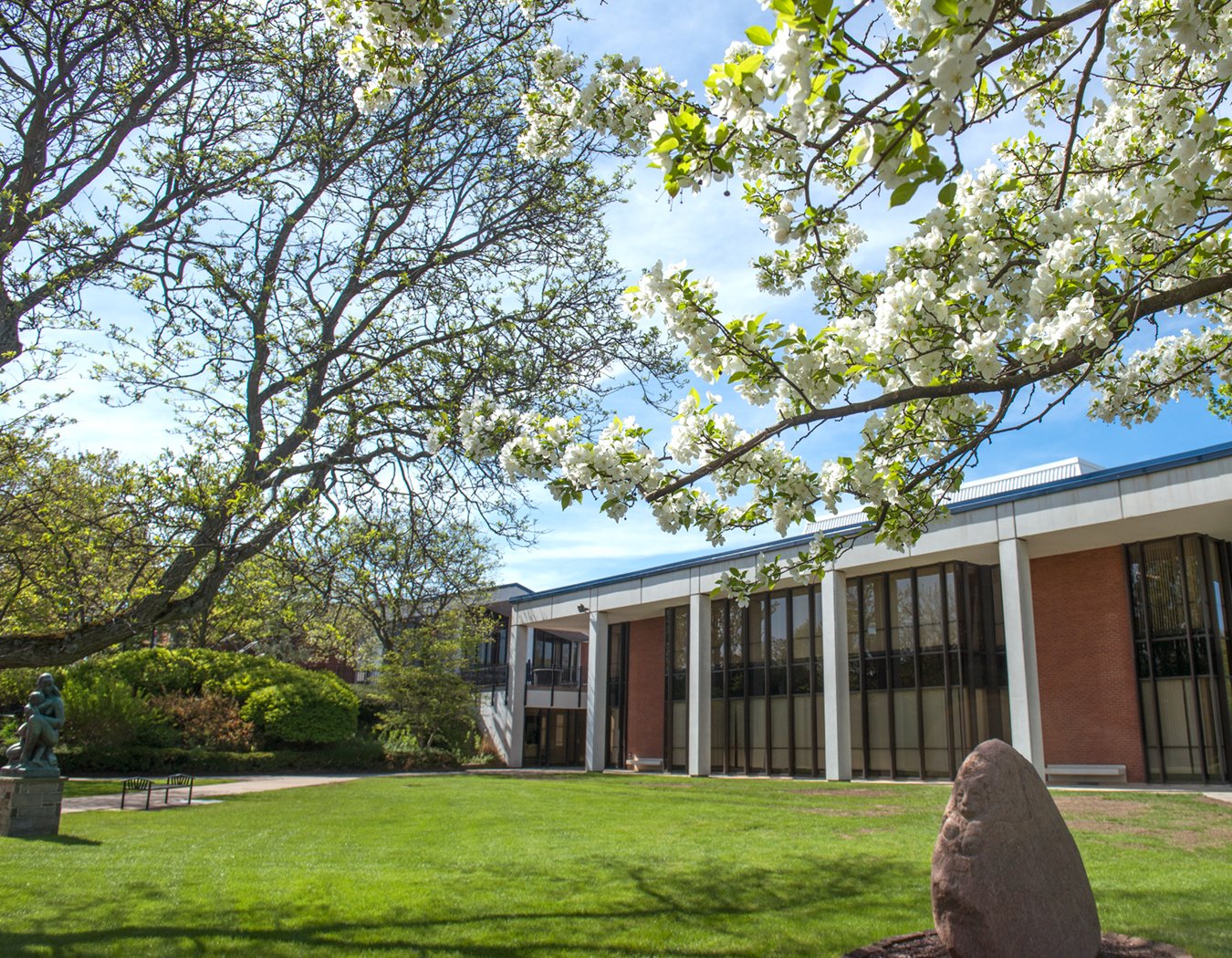
Watch this video for a closer look at Utica University's chemistry program and how the new lab facilities support student learning.
Watch Video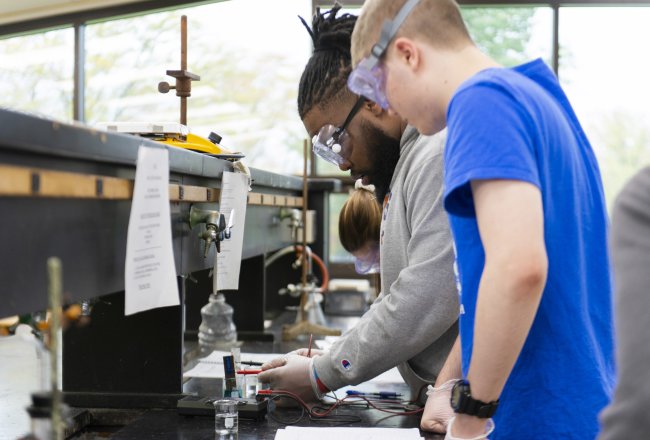
Spotlight: Lab Technology
In recent years the University has added more than $350,000 in new instrumentation available for use by students in the program.
Spotlight: Lab Technology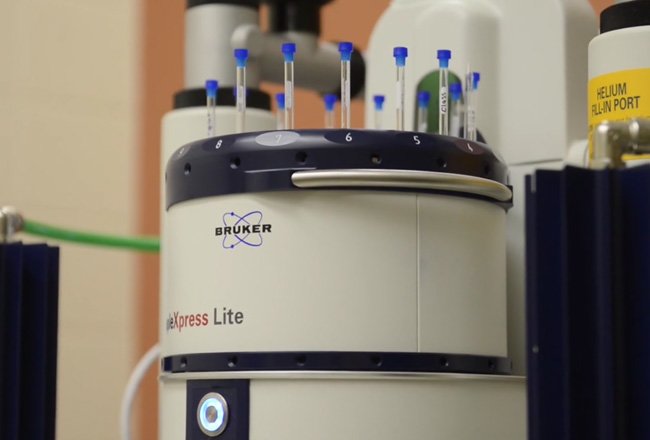
Cool Tools - Nuclear Magnetic Resonance Spectrometer
A look at Utica University's nuclear magnetic resonance spectrometer, hosted by Distinguished Professor of Chemistry Curtis Pulliam Ph.D.
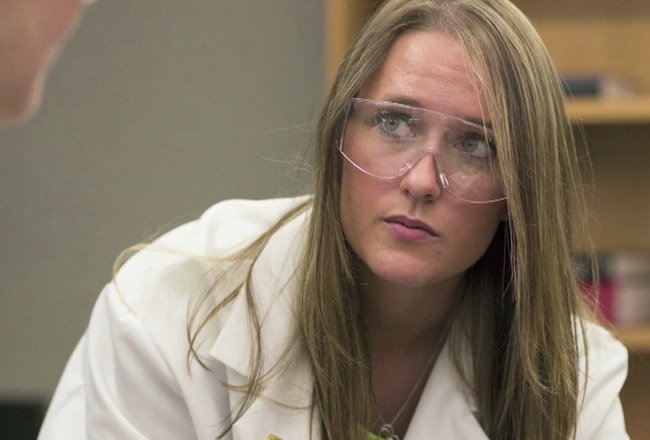
Student Voices: Caitlynn Moccaldi
Chemistry major Caitlynn Moccaldi shares how the faculty and classes at Utica University facilitated her growth in and love of chemistry.
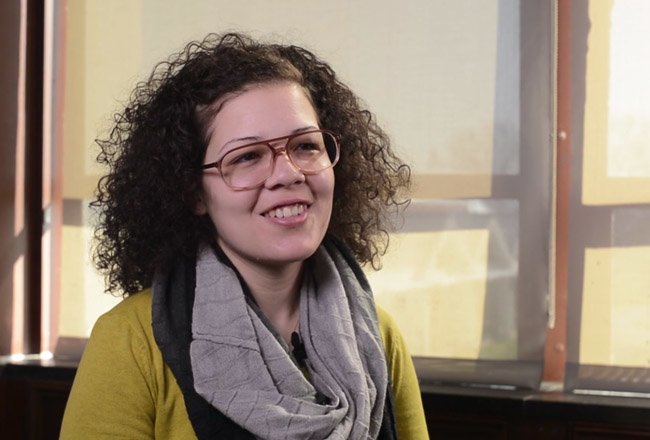
Student Voices: Lana Niti
A brief conversation with chemistry major Lana Nitti about her research, her focus on science and society, and her plans for the future.
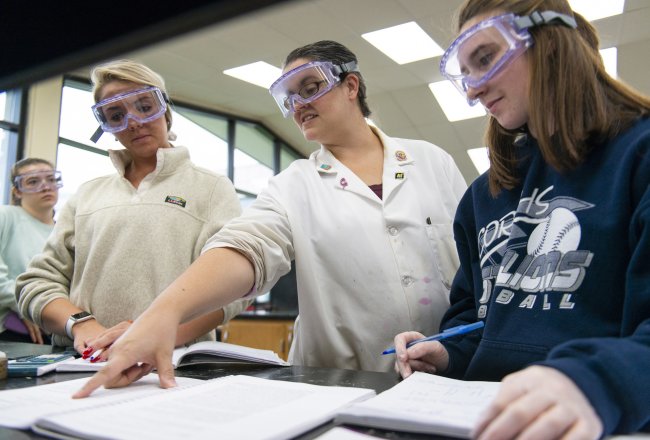
The Choice is Yours
The major in Chemistry offers 4 concentration options that lead to careers in all areas of the scientific field:
- General
- Biochemistry
- Environmental
- Professional
Science at Utica University

Struggle To Success

Professor Brad Emmons receives 2026 Virgil Crisafulli Distinguished Teaching Award
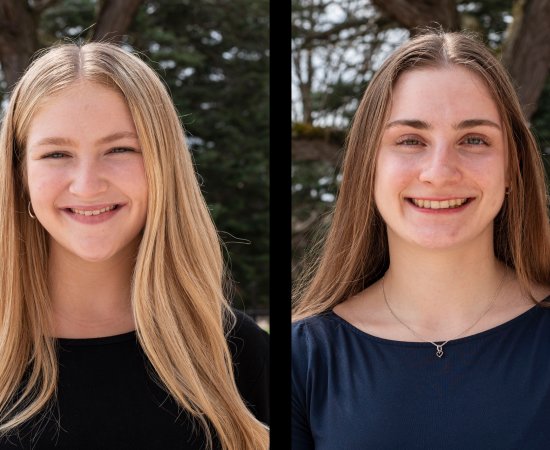
Meet the Valedictorians of Utica University’s Class of 2026
Related Programs