Biology
About This Program
You’re fascinated by the science of life. You’re curious about the diversity of living organisms that inhabit our planet and the complex ways they function, from molecules all the way up to ecosystems. You want a future with a wide range of opportunities including careers in healthcare, industry, research, teaching, and environmental biology. Biology may be the major for you.
Department
Why Utica University
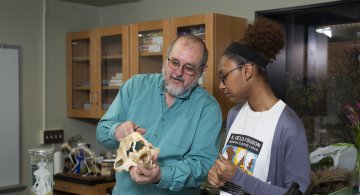
The biology major at Utica University educates students about life science by helping them to become active scientists. Students benefit from extremely personalized training and an innovative curriculum that features a strong focus on research methodology, hands-on learning, and rich opportunities for both laboratory and field research, both independently and with faculty. Students can earn research credit, gain valuable field and lab experience, and publish their research in peer-reviewed scientific journals. Many biology professors have been honored with the college's awards for distinguished teaching, research, or both.
For the last 8-10 years, 100% of the students who earned at least a "recommended" rating from our Advisory Committee for the Health Professions were accepted to veterinary, medical, and dental school.
Research-Based Curriculum
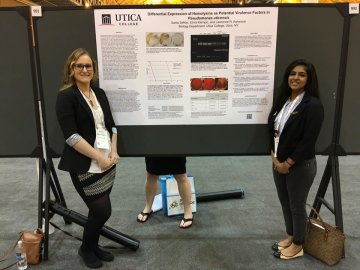
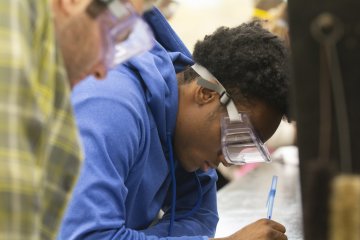
We train our students in professional research methodology in the very first year. Our students take a full year of Research Methods along with General Biology courses before moving into more specialized biology coursework.Research skills are reinforced in laboratory courses involving real research projects. By the time many of our students conduct independent research for credit under the guidance of a faculty member, they are prepared to: design, implement, present at national conferences, and publish their projects in peer reviewed scientific journals. The research training we offer ensures that our students can understand and evaluate research and scientific concepts published in a wide variety of fields. These skills prepare our graduates to apply cutting edge research findings to their work, regardless of their chosen field. Biology majors may tailor their required and elective courses toward pre-professional (med, dental, vet, etc.), educational, research, technology, or other career goals.
Special Opportunities
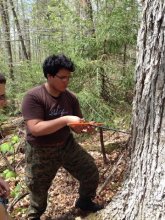
Students will find abundant opportunities to explore laboratory and field biology. Coursework spans modern biology disciplines from molecular and cellular biology to organismal biology, evolution, behavior, and field ecology. Students perform field studies in the nearby Adirondacks and employ modern DNA and RNA molecular analysis techniques in our laboratories. Students discovered new gene functions at the nearby Masonic Medical Research Institute. Utica University students present their research at international, national, state, regional, and local conferences and publish their research findings in the scientific literature. Student research has been internationally recognized by various media and supported by grants from the National Institutes of Health, the National Science Foundation, the National Geographic Society, the New York Energy and Development Authority, and Sigma Xi.
If you would like to be part of a vibrant, scientific community, come visit us or drop us an email to discuss opportunities.
Biology Honors:
Students must submit their intentions to apply for major honors to the Biology Department Chair in writing at least six weeks before degree conferral.
In order to be considered for Honors in Biology, the following requirements must be satisfied.
- The student must have Biology GPA of at least 3.4 in all Biology courses taken at Utica University and an overall GPA of at least 3.0.
- The student must take BIO 450 and present their research at a formal conference approved by the Biology faculty, such as the Utica University student conference or a similar venue.
- The Biology Faculty will evaluate the student’s credentials and then select those who shall receive Honors. The student’s participation in departmental activities will also be considered.
For those students selected, the transcript will read Bachelor of Science with Honors in Biology.
A Utica University degree in biology prepares students for a wide range of scientific, environmental, and commercial careers. Those who wish to pursue graduate or professional study find that a Utica degree enables them to compete at a high level in gaining entry to and successfully completing such programs.
Your faculty academic advisor is prepared to meet with you to discuss career and internship options. In addition, the Center for Career Readiness is available to meet with students to further discuss the internship and job application process, how to prepare for an interview, and how to write resumes, cover letters, and personal statements. Make an appointment on Handshake with your Career Coach to get started or stop by the Center for Career Readiness in Hubbard 115 for resources on these topics.
* Clinical/Health: Medical, Veterinary, Dental, Optometry, Podiatry, and Pharmacy School
Utica University Biology graduates with strong performance are highly competitive and regularly accepted into dental, medical, optometry, pharmacy, podiatry, veterinary, and public health schools.The Advisory Committee for the Health Professions, composed of Utica University faculty, community clinicians, and health professionals, works directly with individual students as they prepare for entrance into professional programs. For more information about the ACHP, visit: www.utica.edu/achp
* Research: Graduate School
Many Utica University students choose to attend graduate school where they receive advanced degrees (M.S., Ph.D.) and perform cutting edge research in a variety of biological and related disciplines. Graduates from the Utica University biology program are regularly accepted to and successful in competitive graduate programs.
* Teaching
There is currently a strong need for secondary school science teachers in Upstate N.Y. The major in Adolescence Education is approved by New York State Education Department (NYSED) and prepares candidates to teach in public and private schools in grades 7-12 in specified NYSED certification areas including Biology. We work closely with the Adolescence Education program to ensure that students with an interest in education are well prepared to receive their Biology teaching certificate.
* Research and Lab Technology
Students interested in working in research and development are regularly hired for jobs as laboratory technologists and research assistants in hematology, pharmacology, and industry with the B.S. in Biology.
* Environmental Careers
Graduates from the Utica University biology program who are interested in environmental biology pursue careers in forestry, fish and game management, range management, environmental assessment, conservation biology, and pollution measurement and control.
* Business and Industry
Biological career options in business and industry are diverse and may include fields such as mortuary science, biotechnology, pharmaceutical sales, biotechnology, or technical writing.
* Government Service/NASA/Military
Increasingly, understanding of biological systems is important in space exploration, military readiness, policy, and governance. Our students are prepared to use their biological training in research and applications within the government. We have sseveral graduates who have pursued an been successful in such careers.
Get Biology Major Course Credit For Your Internship:
- BIO470 Biology Practicum Internship Course: Applied experience in a specific field of study. Interns will work with or shadow a professional in an applied area of biology, prepare a manuscript and oral presentation describing the experience. Prerequisite: 25 credits in Biology.
Lists of Potential Internships and Jobs
The Biology curriculum at Utica University engages students in active research as the primary method of learning biology as a science, providing a thorough and diverse education in biological principles and techniques of biological inquiry. It provides flexibility and the opportunity to explore both field and laboratory courses, from molecular to ecosystem level biology.
Biology at Utica
"What I've found is something I really like to do; a skill that I can apply to truly help people, to truly change people's lives."
Career Opportunities
Facilities

National Exposure

Preparation
What You'll Learn
The biology major begins with general biology and research methods courses during the freshman year, followed by foundational study in:
• Cellular/Molecular Biology
• Ecology / Evolution
• Structural/Functional Biology
• Organismal Biology
as well as upper-level biology electives and a three-credit senior-level integrated biological experience. Graduates are proficient in research and technical skills including experimental design, microscopy, molecular techniques, basic biochemical analyses, dissection, and computer use.
Biology Faculty & Staff

- Distinguished Professor of Biology

- Professor of Biology

- Distinguished Professor of Biology

- Associate Professor of Biology

- Distinguished Professor of Biology
- Distinguished Professor of Biology
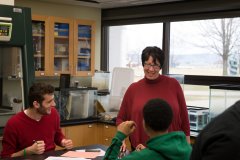
- Professor of Biology
- Assistant Professor of Biology
- Assistant Professor of Biology

- Professor of Biology

- Dean of Natural Sciences and Mathematics
- Distinguished Professor of Biology

- Internship Prog Dir Nutrition
- A&P Lab Coordinator
- Adjunct Instructor of Biology
- Adjunct Professor of Biology
- Adjunct Lecturer of Biology
- Adjunct Professor of Biology
- Adjunct Professor of Biology
- Adjunct Lecturer of Biology
- Adjunct Instructor of Biology
- Adjunct Lecturer of Biology
- Adjunct Lecturer of Biology
Biology at Utica University
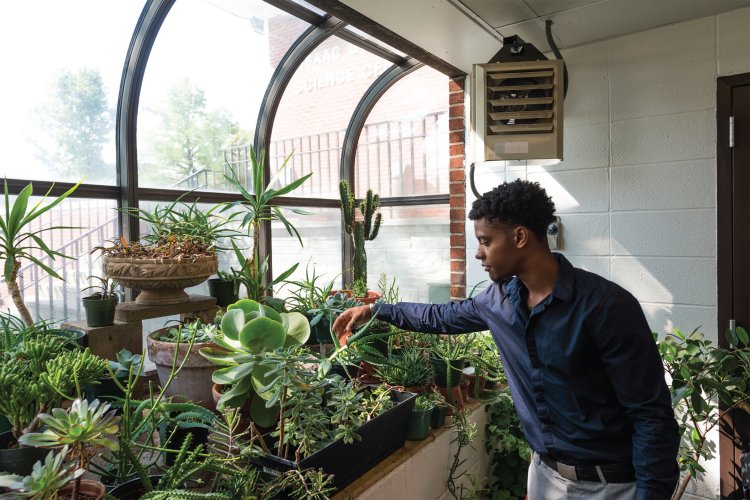


A Degree That Works
A Utica University biology degree prepares students for career paths in medicine, teaching, research, environmental management, and commercial industries. Many graduates go on to earn advanced degrees and have taken leadership positions at:
- Kaiser Permanente
- Johns Hopkins University
- Cornell University
- Bristol-Myers Squibb
- General Electric
- AstraZeneca Pharmaceuticals
- IBM
- NASA
- National Institutes of Health (NIH)
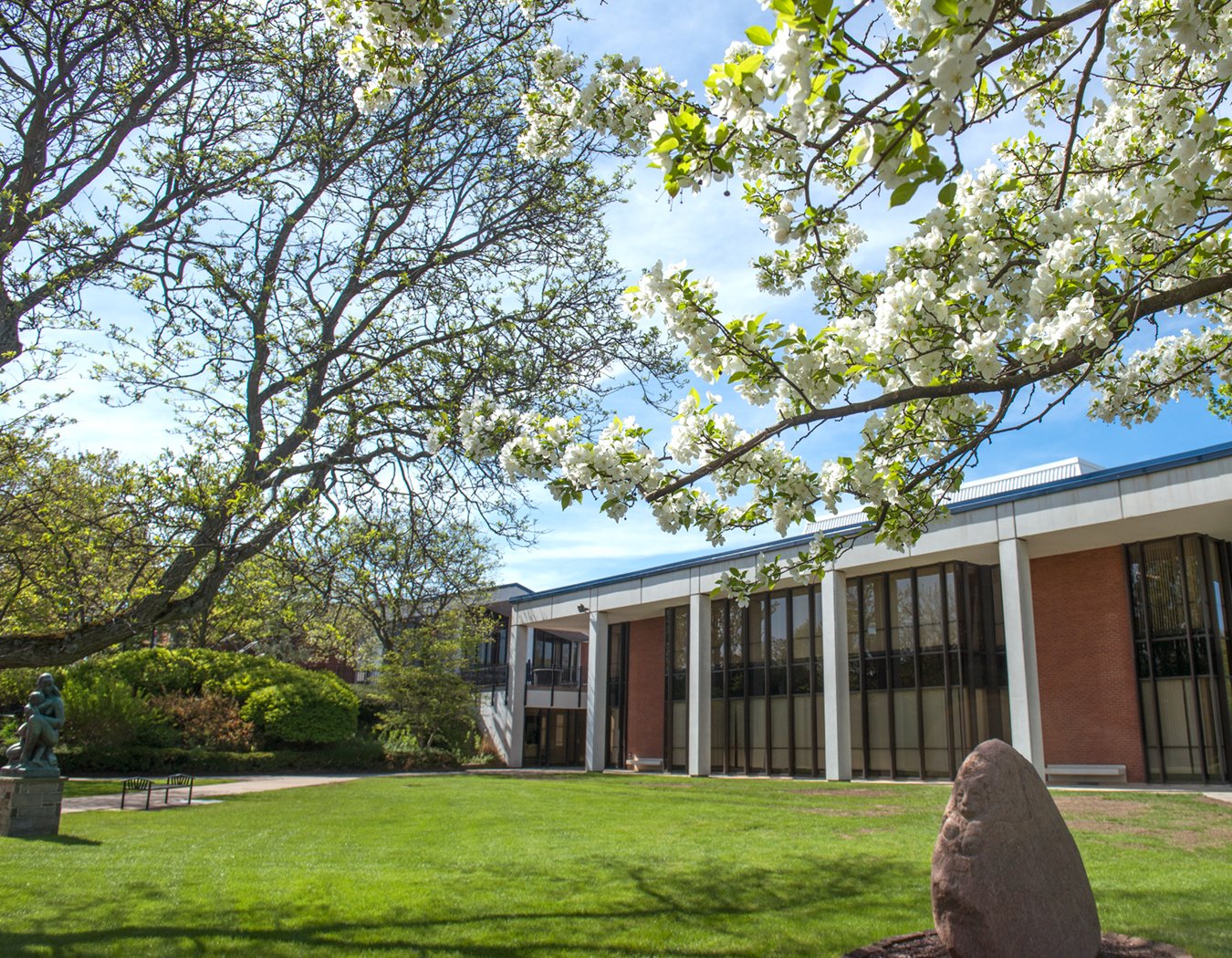

Utica Value: Marcus Recile '18
Watch one of Utica's recent television ads featuring Marcus Recile '18, who majored in biology with a focus on botany and horticulture.
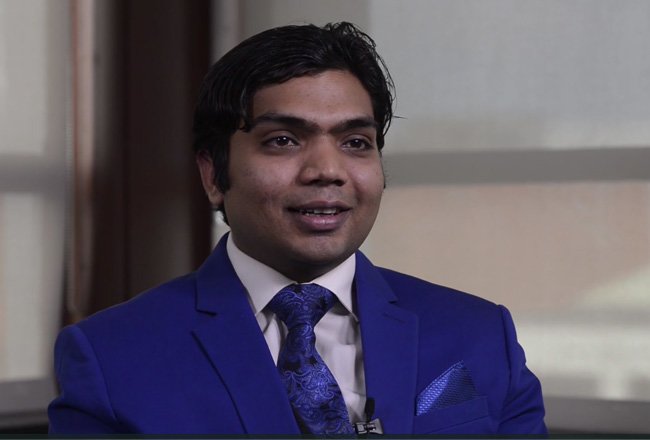
Student Voices: Hardik Nariya '17
A conversation with Hardik Nariya, biology major and chemistry minor at Utica. An international student from India, Hardik talks about his original research into the effects of light pollution, his relationships with faculty, and more.

Student Voices: Mary Brockett '15
A brief conversation with Mary Brockett '15, graduate of Utica University's biology program, about her experiences as a researcher, a presenter at a major scientific conference, and an active member of the Utica community.
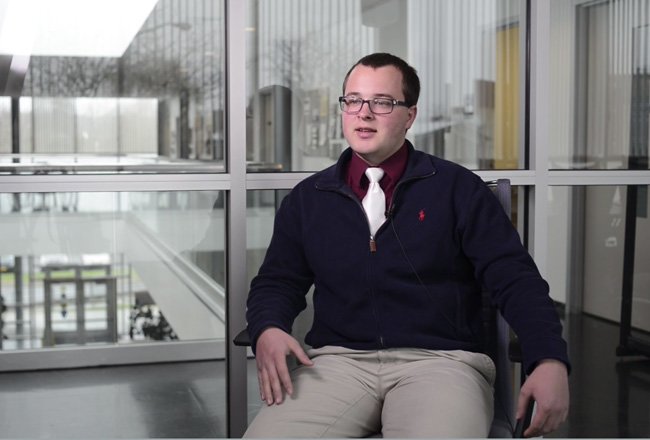
Student Voices: Cody Plasterer
Biology major Cody Plasterer discusses what made him choose Utica University and how the one-on-one relationships with faculty members helped stimulate and enhance both his research and campus life at Utica.
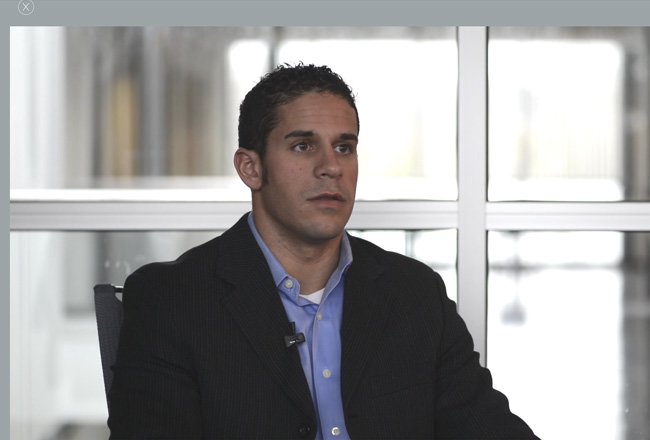
Student Voices: Jordan Hobaica
Hockey player and Biology major Jordan Hobiaca discusses how the blend of programs and athletic offerings at Utica University made for the perfect fit when choosing a school.
Science at Utica University

Utica University Announces 2024 Commencement Speakers for Undergraduate and Graduate Ceremonies

"If you can dare to dream it, you can do it" - Dr. Sherry Anne Lints ’95
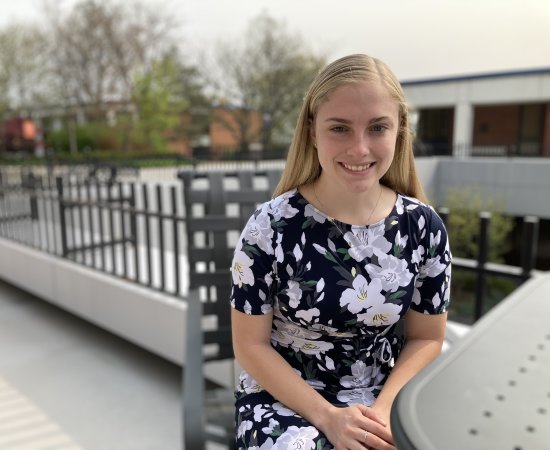
"A sense of pride and accomplishment" - 2023 Outstanding Senior Isabelle LaBelle
Related Programs